
Innovative Approaches In Delivering Doctoral Training
On 5 February, DiveIn CDT presented two transformative approaches to postgraduate research training at the EPSRC Centres for Doctoral Training Annual Directors Meeting in Birmingham. Dr Caroline Müllenbroich (CDT Co-Director) and Sandra Dopico Ardao (CDT Manager) discussed how DiveIn’s competency-based admissions process and project co-creation model foster inclusive recruitment and genuine interdisciplinary collaboration.
Implementing an Inclusive, Competency-based PGR Admissions Intervention
The Challenge
Conventional admissions processes can inadvertently favour candidates with specific backgrounds or communication styles, limiting diversity in doctoral research and overlooking exceptional talent.
The Approach
DiveIn has implemented the EDEPI competency-based framework as an intervention to support more inclusive and equitable recruitment:
- Pseudo-anonymised shortlisting to reduce unconscious bias during initial screening.
- Adapted EDEPI framework assessing suitability for interdisciplinary, cohort-based doctoral study at DiveIn.
- Structured interview process with competency-based questions released in advance, enabling candidates to demonstrate their potential effectively.
Why It Matters
By removing barriers and creating a level playing field, DiveIn enables more diverse cohorts to enter doctoral research. This directly strengthens research quality and innovation by bringing varied perspectives and problem-solving approaches to collaborative science.
Read more:
Project Co-Creation for Interdisciplinary and Mission-Driven Research
A Different Starting Point
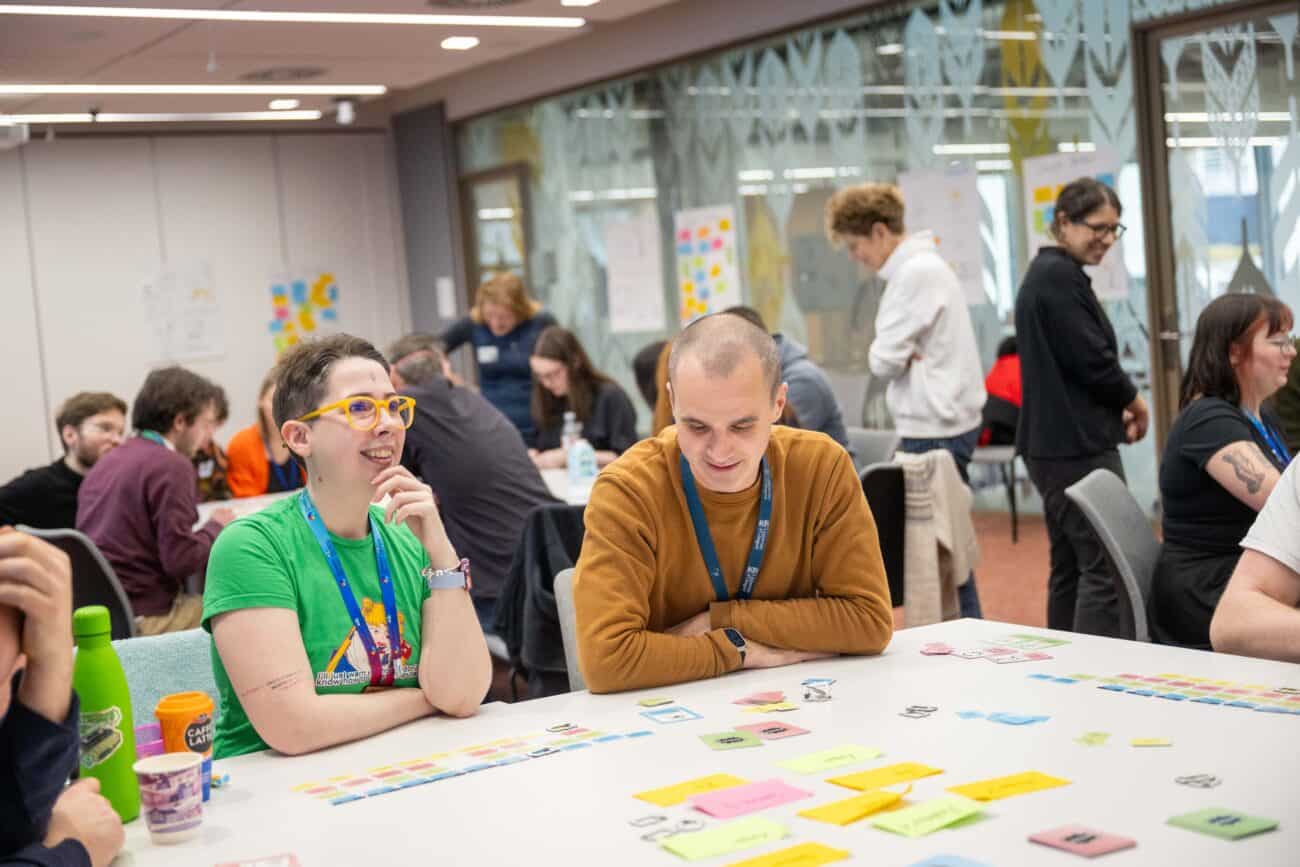
Rather than recruiting to pre-defined projects, DiveIn invites applicants to join the CDT and co-create their research direction. This is possible because of DiveIn’s diverse supervisory pool spanning all physical sciences and engineering disciplines, unified by a commitment to addressing complex, real-world challenges.
How It Works
- Flexible project formation: Students explore interdisciplinary possibilities without a predetermined project or supervisory team
- Intentional collaboration structure: Clear processes for students and supervisors to navigate co-creation, define shared research interests, and build supervisory teams
- Sustained support: Guidance on managing interdisciplinary collaboration, navigating disciplinary differences, and delivering integrated outcomes
The Impact
This approach produces genuinely interdisciplinary research rather than multi-disciplinary work. Students develop deeper understanding across fields, supervisors engage in meaningful collaboration, and research outcomes benefit from integrated methodologies and perspectives. Crucially, because students co‑create their research direction and methods, they gain a stronger sense of ownership, develop more sophisticated critical thinking, and become more invested and confident in navigating complex interdisciplinary challenges.
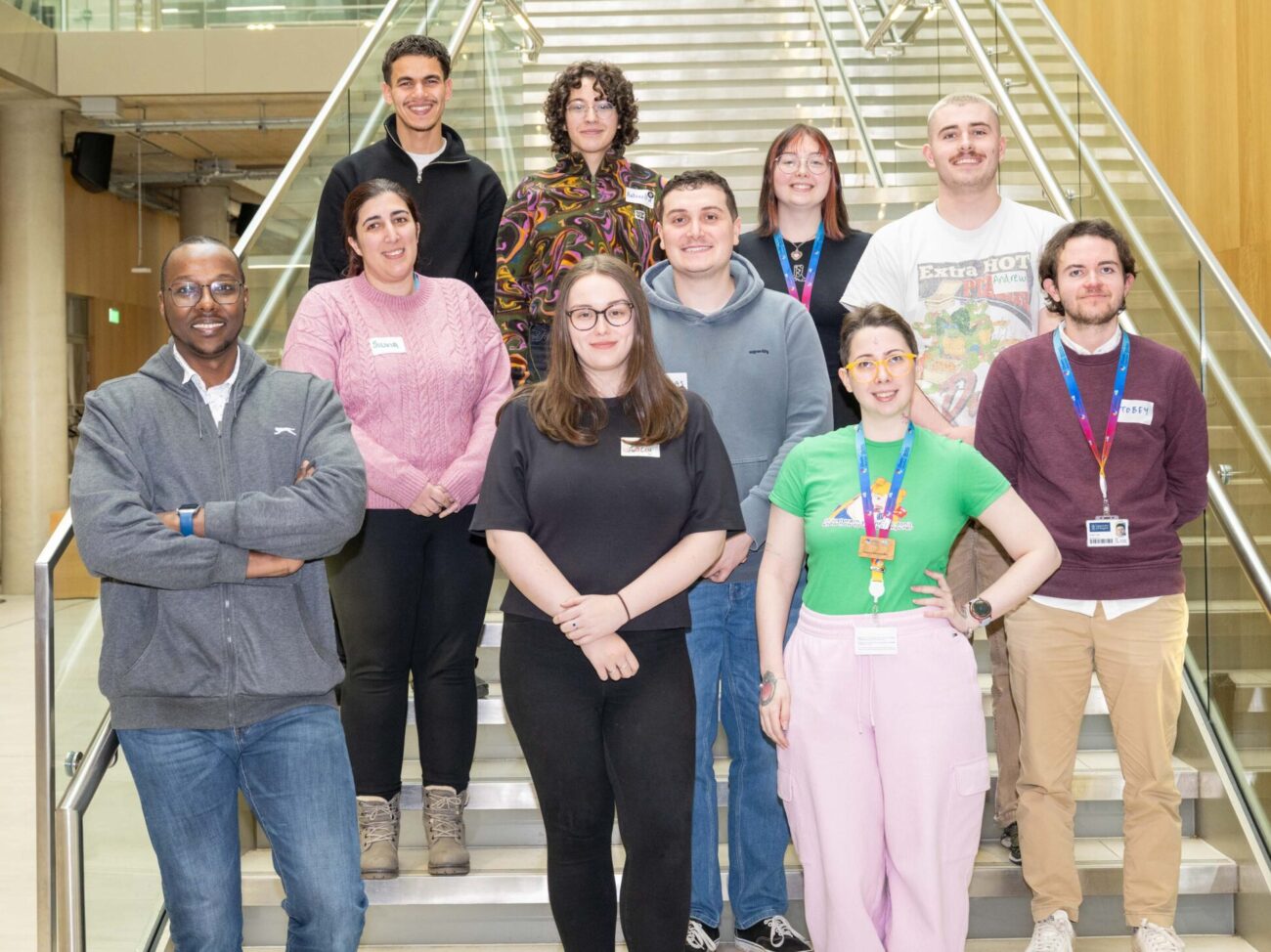
See our current projects: Cohort 1 – The Kingfishers
Why This Matters in Doctoral Education
These innovations address two fundamental challenges in doctoral education: ensuring equitable access to research careers, and developing the interdisciplinary collaboration skills that complex research increasingly demands.
DiveIn’s approaches tackle both problems together:
Equity in access: Making recruitment transparent and competency-focused opens doors to talented researchers who might not fit traditional profiles, directly contributing to diversity in doctoral education and more impactful science.
Authentic interdisciplinarity: Allowing projects to emerge from genuine supervisory collaboration ensures students experience real interdisciplinary research. This prepares them to lead collaborative, mission-driven science throughout their careers.
These approaches offer a pathway for reshaping doctoral education, and DiveIn’s implementation provides valuable insights into what inclusive, interdisciplinary doctoral training can achieve.