About us /
DiveIn Students
DiveIn will welcome five cohorts of PhD students between 2025 and 2029, training 50 exceptional researchers to lead the way in impactful, interdisciplinary research.
Meet our students and discover their diverse backgrounds, passions, and research aspirations.
Cohort 1 (2025-2029)
-
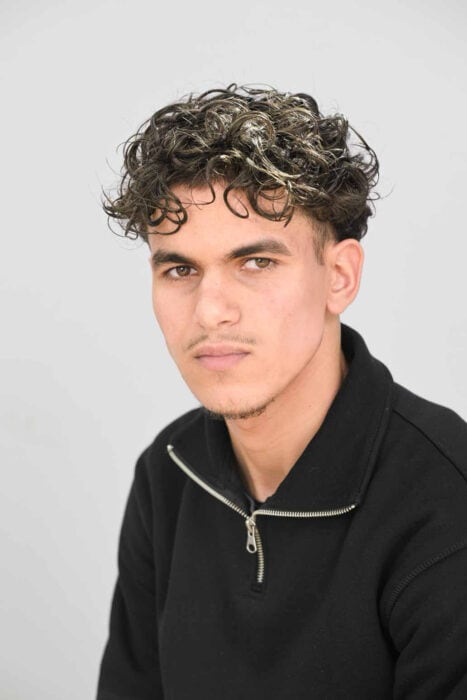
Awwab Abdalsaed
he/himBEng Civil EngineeringUniversity of GlasgowMy research interest lies in net – positive building systems, architectural and engineering solutions that don’t just minimise harm but actively give back to the environment by integrating renewable energy, carbon capture, and smart optimisation technologies. I’m particularly focused on how we can retrofit existing buildings to go beyond sustainability and contribute to climate-positive urban ecosystems.
I was inspired to apply to DiveIn because of its mission-driven, interdisciplinary approach, which aligns with my passion for net-positive building systems. Having overcome personal challenges while pursuing my degree, I was drawn to DiveIn collaborative environment, where I could grow as a researcher committed to real-world impact.
I’m most excited about DiveIn’s cohort-based approach and the opportunity to collaborate with researchers from different disciplines to tackle real-world challenges. The programme’s strong industry links and structured training will allow me to grow both technically and creatively while contributing to mission-led research with societal impact.
-
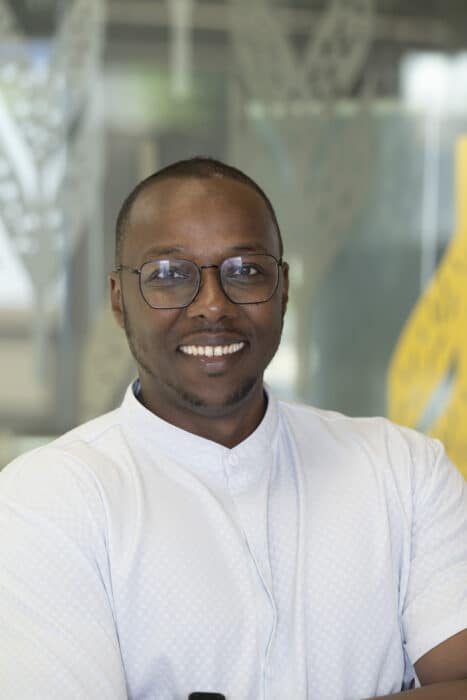
Abdulrahman Cherif
he/himMSc in Digital Health SystemsUniversity of StrathclydeI’m interested in using AI and digital tools for prevention, early disease diagnosis, and personalised health and care interventions, particularly in the area of gut health and chronic conditions. I’m also passionate about promoting health equity through culturally sensitive digital health solutions.
I come from IT and digital health background, with experience as a Project Manager across NHS Scotland, including roles at National Services Scotland (now part of NHS Delivery following its merger with NHS Education for Scotland), the Scottish Ambulance Service, and Public Health Scotland. I’m a qualified Project and Programme Manager (PRINCE2 and MSP), with a track record of delivering digital and service transformation projects across public, private, and third-sector settings.
I graduated as the best-performing student from the MSc in Digital Health Systems at the University of Strathclyde. My dissertation, which focused on a culturally tailored digital intervention for people with IBS, won the Best Research Poster Abstract Prize at DigiFest, Scotland’s national Digital Health and Care knowledge exchange event. The prize is sponsored by BCS Health & Care Scotland.
Beyond project delivery, I bring creative skills in graphic design, UX design, photography, and videography, which I use to enhance communication, user engagement, and accessibility in digital health projects.
I was drawn to DiveIn’s interdisciplinary and inclusive approach. I’m especially excited about the cohort model, the opportunity to collaborate in a diverse research community, and the strong industry connections that will help ensure my work has real-world impact.
-

Amy Eden
they/themMSc Quantum TechnologyUniversity of GlasgowMy main research interests are within quantum technologies. Currently, I am working on my master’s dissertation, which involves modelling and fabricating split-ring resonators to act as a classical analogue to a qubit system.
I’ve spent my undergrad and postgrad years at Glasgow and I love this city! The ARC is a wonderful place to research in and I am looking forward to continuing to research here through this CDT.
After our first meeting, I can already tell that this cohort is full of amazing and interesting people. I can’t wait to get to know everyone better and to work alongside them!
-
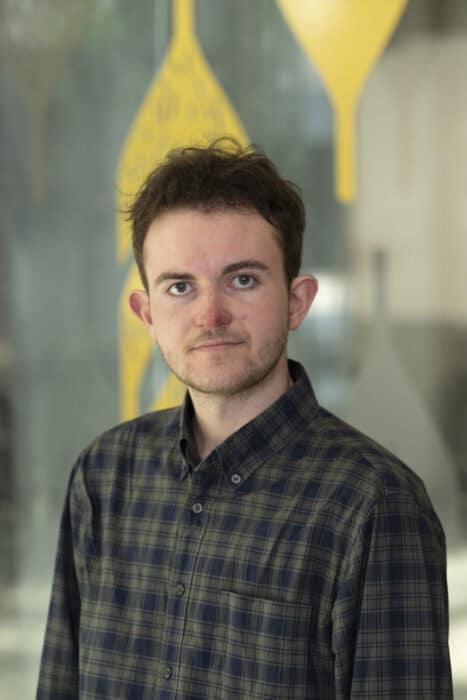
Tobias Froehlich
he/himMSc ComputingEdinburgh Napier UniversityI am interested in sustainable and low-carbon computing, especially from a software perspective.
I wanted to join DiveIn for the opportunity to pursue mission-driven, interdisciplinary research in a diverse environment, as I believe this will lead to innovative and impactful findings in my field.
I am most excited about closing my skill gaps by learning from my cohort peers, industry partners, and through training opportunities, which will benefit my research and personal development.
-
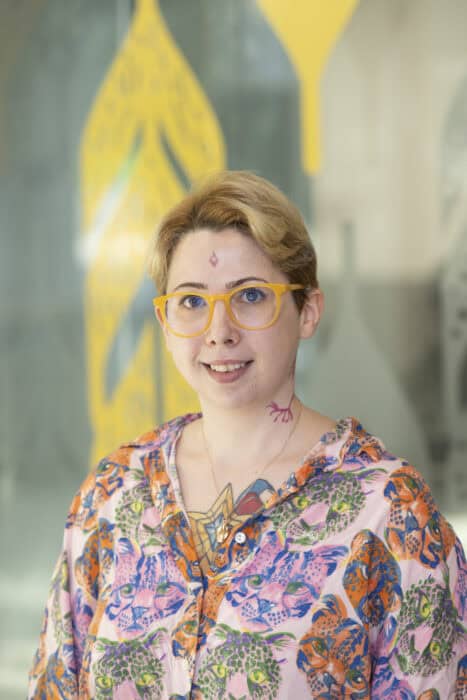
Amparo Gimenez Rios
she/heMSc BioinformaticsUniversity of GlasgowI am interested in AI-driven bioinformatics tools for biological research, particularly in classifying gene functions and biological processes.
I was inspired to apply to DiveIn because I am deeply passionate about research and really wanted to be in a place where I could gain the skills to build useful AI tools for biology in an inclusive and friendly environment.
I am most excited about the training environment! I think AI is a very social science when you are learning it. Sharing ideas, asking questions, and learning from others makes a huge difference, and I am really looking forward to being part of a community that values that.
-
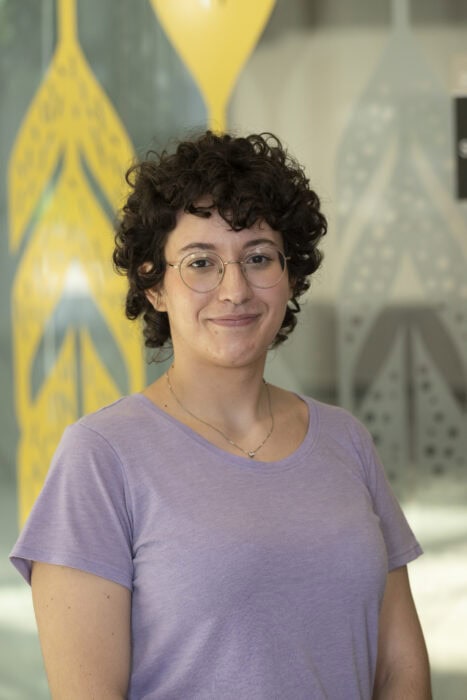
Antonella Marsella
she/herMSc Clinical and Health PsychologyUniversity of StrathclydeI am interested in the intersection of virtual reality (VR) technology and Psychology.
I have been considering pursuing a PhD for several years, and the DiveIn CDT stood out as the ideal opportunity to combine my interests and develop new skills. The programme’s strong emphasis on diversity in academia particularly resonated with me, and I’m excited to be part of a cohort that values inclusion and interdisciplinary collaboration. With a background in psychology—especially clinical and neuropsychology—I look forward to integrating psychological science with emerging technologies.
There are several aspects of the programme that excite me. I am particularly eager to explore learning opportunities in areas like artificial intelligence and virtual reality, as I aim to build and strengthen my technical skills. I also look forward to engaging in internships, forming meaningful connections with external partners, and sharing this journey with a diverse cohort. Most of all, I value the chance to learn from both peers and mentors in academia and industry.
-

Stacey McLellan
she/herBSc ChemistryUniversity of GlasgowOne of my favourite scientific topics is the role of transition metals in renewable energy storage, where I got to explore this with the exploration of zirconium-based batteries as an alternative to lithium-ion technology in my summer research project.
I was inspired to apply to DiveIn CDT by my strong background in chemistry and my interest in using data-driven approaches to tackle complex chemical and environmental challenges through interdisciplinary research.
I’m most excited about the opportunity to collaborate with a diverse cohort and engage with industry partners, gaining both technical training and practical experience while exploring the deeper depths of chemistry through research
-

Lukas Moers
he/himMSc Computing ScienceUniversity of GlasgowMy research interests lies in the intersection between healthcare and technology, more precisely, how we can design new interaction techniques and make use of emerging technologies such as artificial intelligence and sensing technologies to support individuals in managing their own health.
The DiveIn CDT programme, with its focus on mission-driven and interdisciplinary research, appeared as an excellent opportunity where I could apply both my work experience in healthcare and my educational background in computer science, aligning with my research interest in the development of self-management health technologies.
The part of the DiveIn programme that I am most excited about is the opportunity to network, collaborate, and especially learn not only from my peers from the cohort but also with the industry partners and researchers at the University of Glasgow.
-
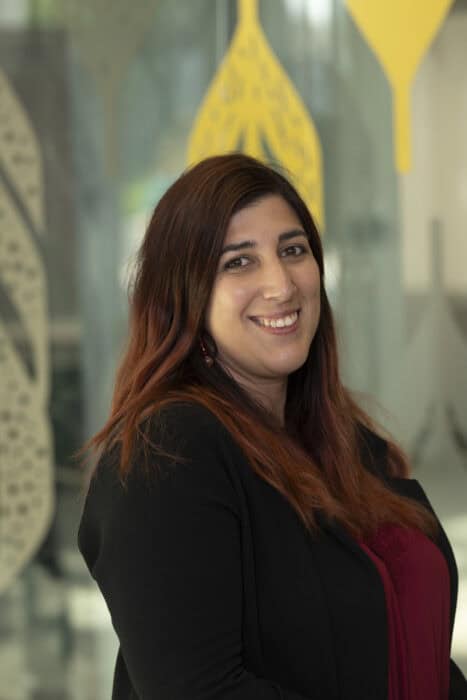
Sílvia Mourão
she/herMSc Geospatial EngineeringLisbon UniversityMy research focuses on using geospatial tools to monitor and address climate change-related issues, with particular emphasis on sea level rise, flooding, coastal erosion, and coastal protection.
I was drawn to DiveIn CDT because of its interdisciplinary approach, which closely aligns with the kind of research I’ve pursued throughout my academic career. I also value its strong academic and industry partnerships, commitment to integrating emerging technologies, and the programme’s emphasis on diversity and collaboration in addressing global challenges.
I’m especially excited about joining such a historic institution as the University of Glasgow and becoming part of a diverse cohort working on interdisciplinary projects. I’m also looking forward to engaging with the programme’s wide network of academic and industry partners, as I believe strong industry links are essential for turning research into real-world impact.
-

Andrew Reid
he/himBSc Medicinal ChemistryUniversity of GlasgowI am interested in peptide chemistry, particularly in the design and application of bifunctional peptidomimetics.
I was inspired to apply for dive-in to be a part of a larger community of multi-disciplinary researchers who would be able to apply their expertise towards a common goal. The ability to overcome common barriers often faced by multidisciplinary research is crucial to the advancement of science in general.
I am excited about meeting everyone involved in the programme and developing both personal and professional relationships over the coming years. I also look forward to creating industry ties with professionals in my chosen area.
Cohort 2 (2026-2030)
-
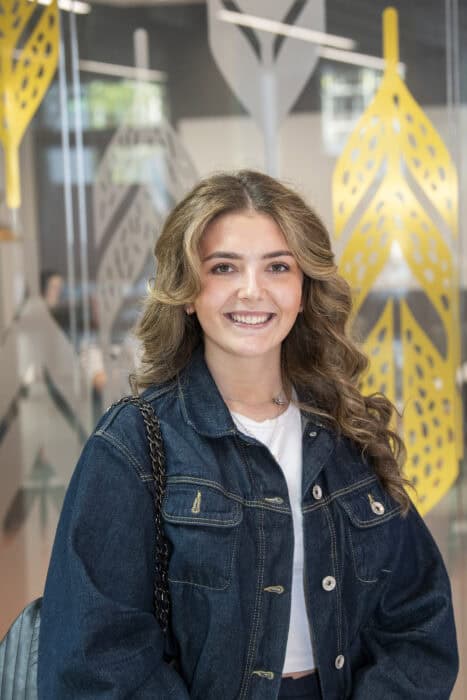
Erin Bleakley
she/herMSc Climate and Environmental ScienceUniveristy of GlasgowMy research interests lie at the intersection of social and physical sciences, particularly environmental engineering and climate and environmental sciences, exploring how innovative scientific research can holistically approach global inequalities.
As my undergraduate degree was in Geography, I enjoyed the intersectionality of social and physical sciences. I was therefore inspired to apply to DiveIn because its interdisciplinary research brings together people from diverse backgrounds and life experiences, creating a collaborative environment for innovative research to flourish with lasting social impacts.
As a first-generation university student, it was essential for my development to find an inclusive and supportive academic community. That is why I am most excited about the cohort experience, networking opportunities, and industry links that DiveIn offers as I take the next step in my research journey.
-
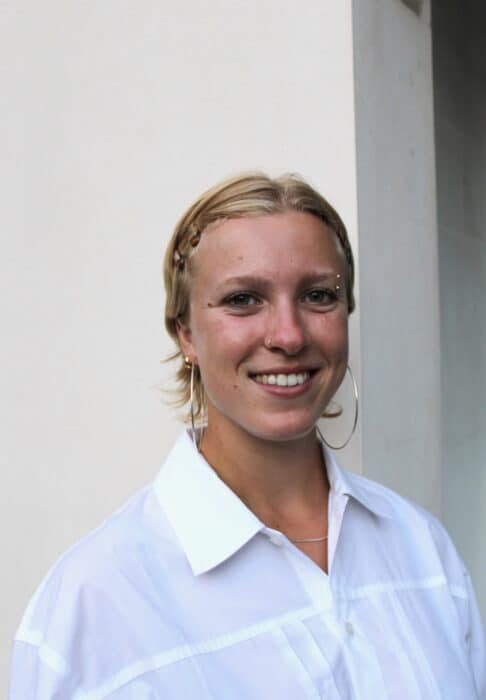
Eve Capewell
she/herMChem ChemistryUniversity of OxfordI am interested in structure-property relationships of functional materials. During my master’s I researched systems with complex 2D order, and I look forward to exploring this further.
The unique opportunity of interdisciplinary research in a range of impactful areas inspired me to apply to DiveIn. The diverse and supportive environment particularly stood out to me.
I am excited to engage in mission-led research and see where collaboration across disciplines will take me.
-
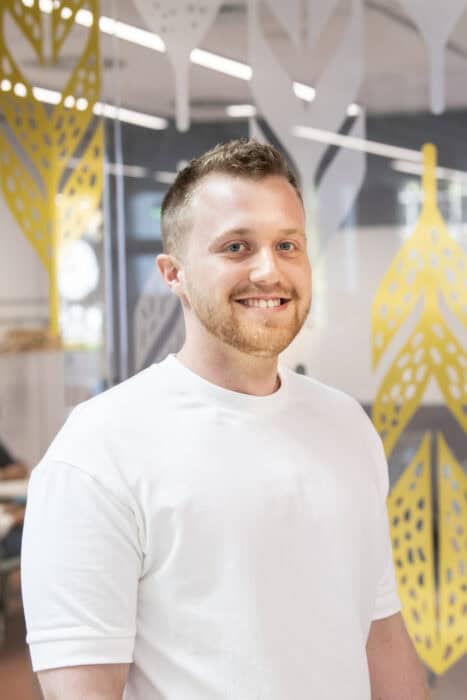
Grant McClure
he/himUniversity of StrathclydeThroughout my studies, my main interest has been in bioimaging and microscopy. As an engineer, I am interested in the full optics and imaging pipeline, from biological sample handling to hardware and optics, through to electronics, 3D-printed device design, and the integration of artificial intelligence.My main reason for applying to DiveIn is my strong interest in interdisciplinary research. As a biomedical engineer, I have always enjoyed working across different areas, whether that means building electronic systems, designing devices, analysing data, or working in a cell culture lab.The part of DiveIn I am most excited about is the opportunity to be part of a cohort and learn from people with different scientific and engineering backgrounds. I enjoy asking questions and exploring areas of science that are new to me, so being surrounded by researchers working across different disciplines really appeals to me. -
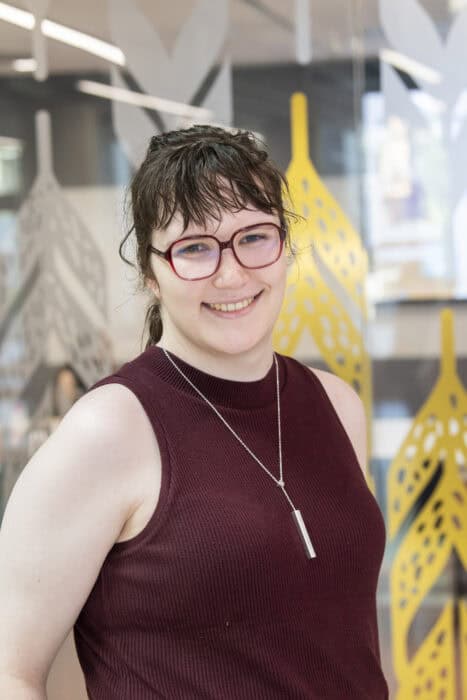
Jura Sands
she/herMSci Applied Chem. & Chem. EngUniversity of StrathclydeMaterials chemistry for water and wastewater treatment, particularly in decentralised processes.
DiveIn is uniquely structured to support interdisciplinary projects, and this resonated with my interest in water systems. While a traditional PhD tends to silo students in their own field, I was inspired by DiveIn’s approach of encouraging development along interdisciplinary lines, which is essential for something as all-encompassing as the growing demands on water resources.
I’m looking forward to the breadth and depth of collaboration the programme is based around. Developing a research project informed by a variety of supervisors, external partners and other DiveIn students will help to make a real difference to the resilience and sustainability of communities and ecosystems in the future.
-
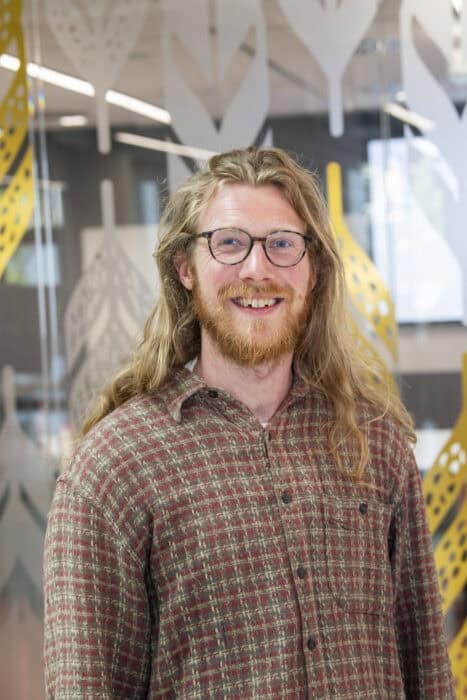
Lasse Melgaard Rasmussen
he/himBSc Honours MicrobiologyUniversity of AberdeenI’m interested in using fungi to create opportunities and impact for low-income farmers. Microbiology, soil science, applied mycology, soil remediation, sustainable food production, circular economy.
I was drawn to the DiveIn CDT programme because of its focus on breaking down academic silos. With a background in social entrepreneurship and circular economy, I have witnessed how collaboration can create win-win solutions, and I’m delighted that DiveIn encourages innovation through interdisciplinary research.
I’m thrilled to be joining a cohort of interdisciplinary thinkers. As every cohort member has different academic backgrounds, I’m curious to see how we can support each other and learn from different fields to promote innovation in our own projects.
-
Laura Winkler
StatisticsUniversite de Geneve -
Mohona Roy
MSci Data ScienceCity St George's, University of London -
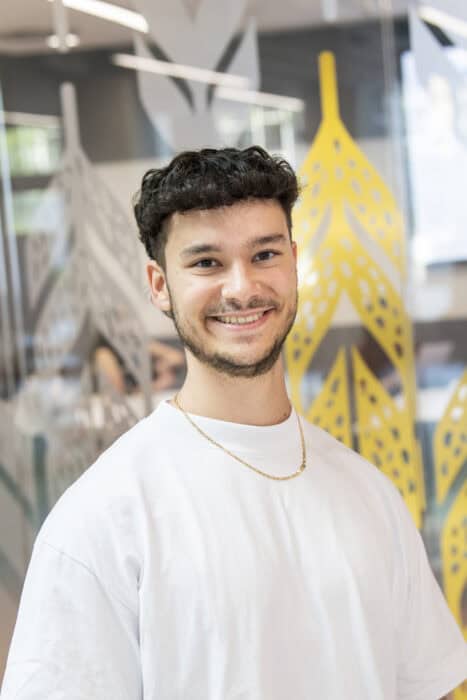
Sagi Avraham
he/himMSc Theortical PhysicsUniveristy of GlasgowI am interested in all things space, mainly black holes and gravitational waves. I am also passionate about utilising AI and building physics inspired machine learning models.
What inspired me most about DiveIn was the opportunity to create my own Project from scratch and having such a diverse supervisor pool to choose from. I am really excited as I think this interdisciplinary approach will not only make me a strong a researcher, but also will allow for such a creative PhD project that wouldn’t be possible otherwise.
I am most excited about the cohort experience. I think this approach will give us a great support system of researchers who come from all different STEM backgrounds. Having a tight knit cohort who are all exploring vastly different research areas feels like it would be a great opportunity to learn from each other and even find inspiration for our own works too.
-
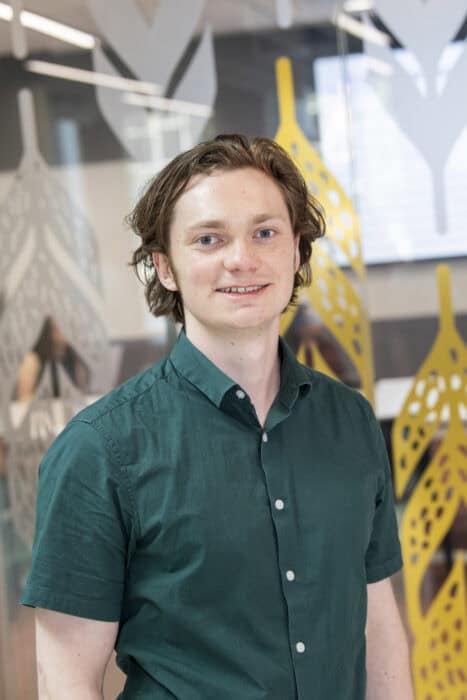
Thomas Waite
he/himMEng Mechanical EngineeringUniveristy of GlasgowI am interested in the intersection of advanced computational modeling and renewable energy generation.
I know that no problems in the modern world can fit into a single discipline. DiveIn seemed perfect to explore beyond my background in mechanical engineering in the context of big societal challenges.
I’m most excited about sharing a diverse set of skills with my cohort and learning about new topics!
-
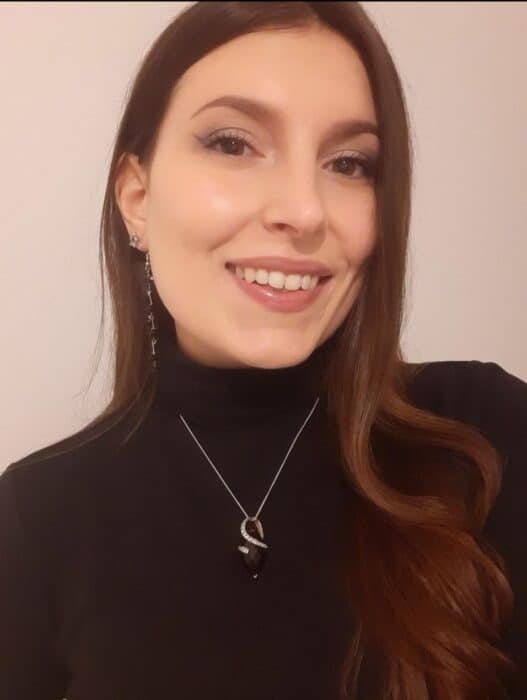
Vanya Fernandez Galabo
she/herMSc Physics by researchUniversity of LancasterDeveloping and applying machine learning methods to open problems in the physical sciences, particularly astrophysics as a testing ground for approaches that can transfer across domains. I’m interested in how data-driven methods can extract signal from complex, noisy datasets in ways that traditional analytical approaches struggle with, and what becomes possible when you combine physics intuition with modern AI, from accelerating discovery in astrophysics to tackling broader challenges like climate and planetary health.
I was curious about the inversion of the usual CDT model – people and perspectives first, research questions second – and the Connect, Thrive, Belong framework that underpins DiveIn’s approach. I have found that research culture doesn’t always make space for people who come from non-linear backgrounds like me, and I felt like DiveIn is genuinely committed to changing that, not just as a stated value but with that commitment embedded in the structure of the programme itself.
I’m excited about the co-creation process for research projects. Coming in without a fixed proposal and building something collaboratively with supervisors across disciplines is unusual and exciting. I believe that kind of friction between different ways of thinking is what brings about the most creative scientific solutions.