
Dive Interactive Showcase Brings Research to Life at No Boundaries: A Festival of Cross-Disciplinary Collaboration
By Jordan McInally, DiveIn CDT Events Coordinator
The Dive-Interactive Showcase formed part of No Boundaries: A Festival of Cross-Disciplinary Collaboration, a one-day event at the University of Glasgow’s Advanced Research Centre that brought together researchers, artists, practitioners and community members to explore new ways of thinking about complex global challenges. Organised by the DiveIn CDT in collaboration with Failure Modes in Engineering (FeME), the festival celebrated creativity, experimentation and collaboration across disciplinary boundaries. As part of the programme, DiveIn researchers invited visitors to experience their work through a range of interactive exhibits, demonstrating how research can be communicated, explored and shaped through participation.
Exploring Research Through Interaction
The Dive Interactive Showcase transformed doctoral research into a series of hands-on experiences, inviting visitors to engage directly with the ideas, technologies and challenges driving research across the DiveIn CDT. From artificial intelligence and environmental sustainability to advanced sensing technologies and virtual reality, the exhibits demonstrated how interactive approaches can make complex research accessible to diverse audiences.
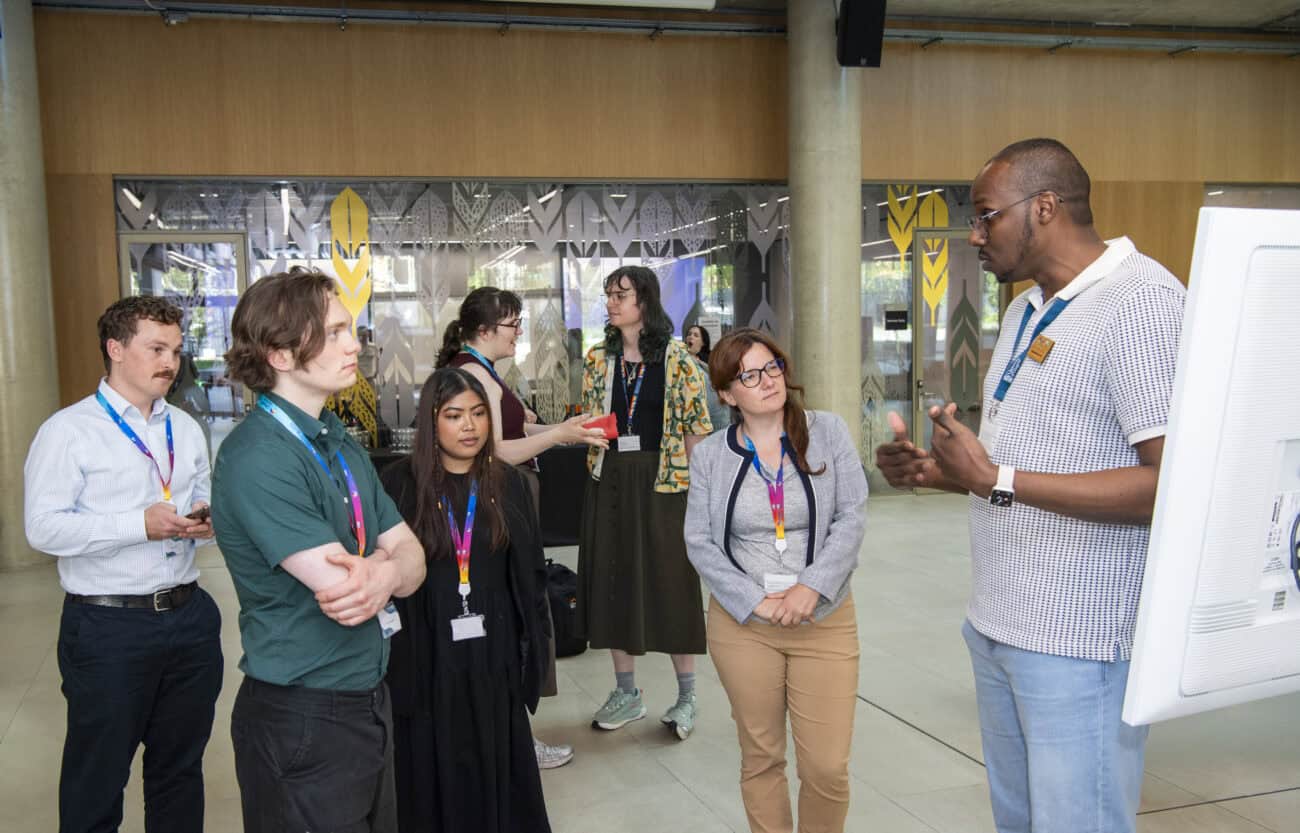
Several exhibits explored the role of digital technologies in understanding and responding to real-world challenges. Tobias Fröhlich visualised the impact of carbon-aware distributed AI training, while Sílvia da Silva Mourão showcased how artificial intelligence can support coastal management through satellite image analysis and forecasting tools. Abdulrahman Cherif also highlighted emerging sensing technologies through an interactive exhibit exploring activity recognition systems and their potential applications.
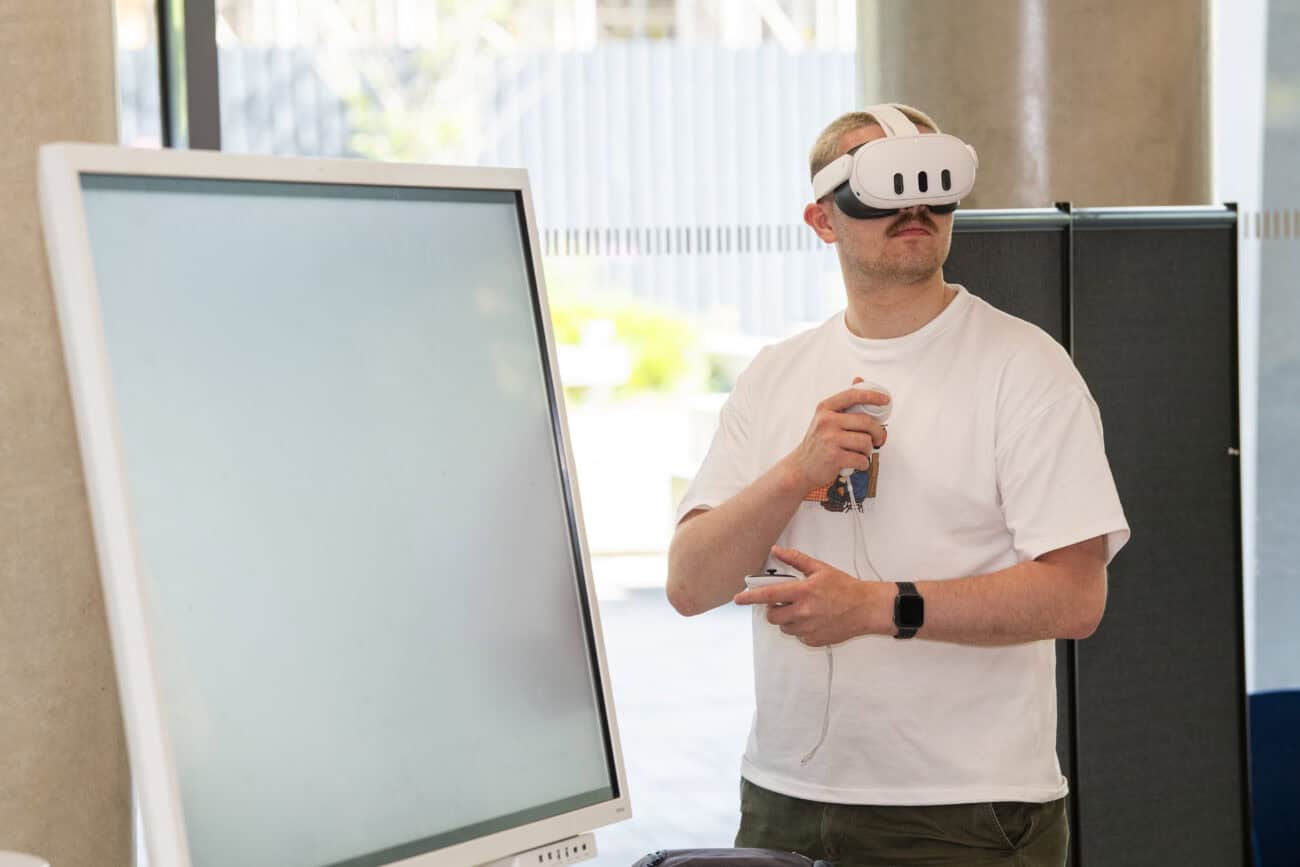
Visitors were also encouraged to experience research first-hand through immersive and participatory activities. Andrew Reid used virtual reality to allow participants to explore molecular structures and investigate how compounds interact with biological receptors. Lukas Moers introduced attendees to human-centred design methods and wearable sensing technologies, creating opportunities to reflect on how people and technology interact. Antonella Marsella combined physical and digital elements to encourage visitors to engage with strategic thinking through interactive chess concepts.
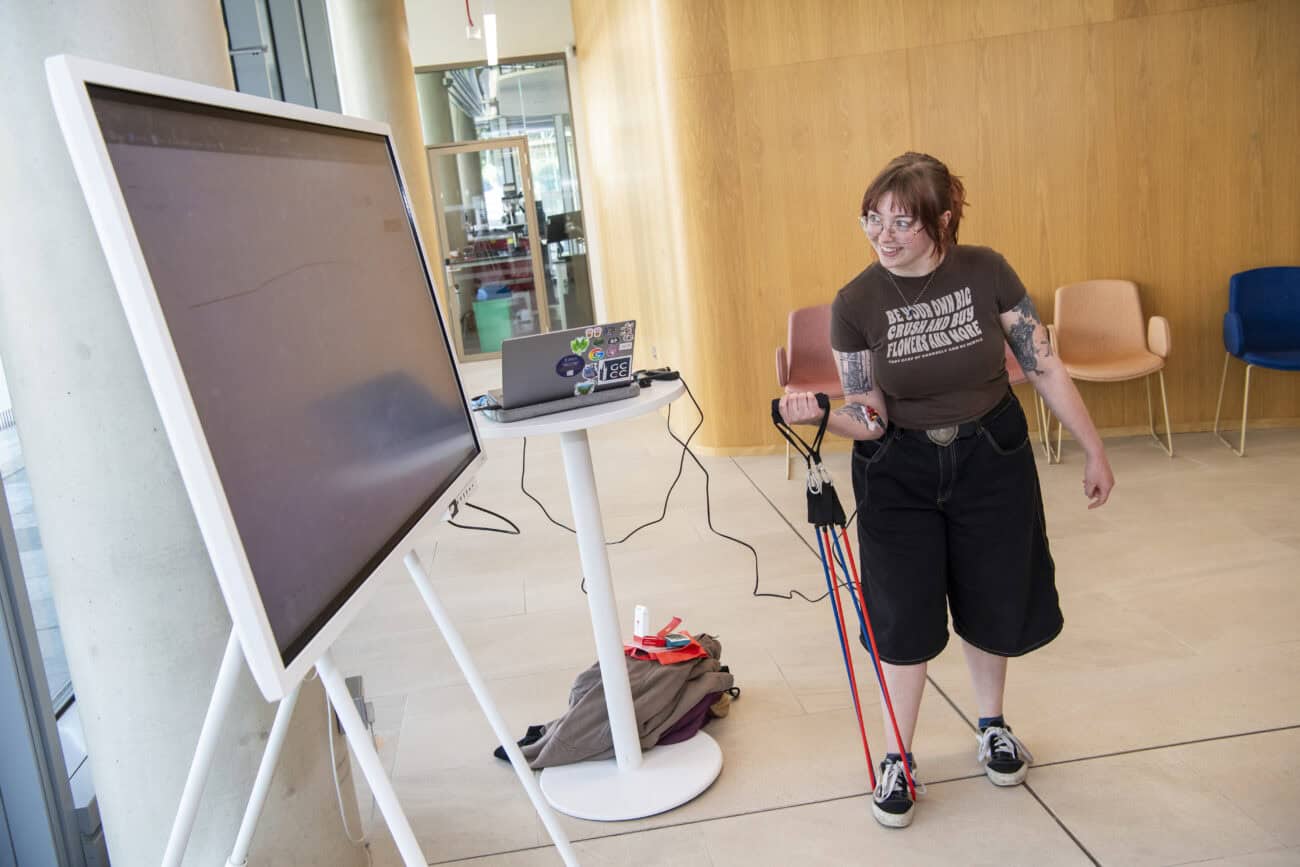
Elsewhere, exhibits demonstrated how innovative technologies can help address challenges in engineering, manufacturing and public health. Amy Eden’s game-based activity introduced visitors to the challenges of protecting semiconductor chips from contamination, while Awwab Abdalsaed demonstrated how low-cost sensors can be used to detect changes in structural behaviour through vibration monitoring. Stacey McLellan’s exhibit explored a rapid, on-site approach to detecting taste and odour contaminants in drinking water, using an interactive puzzle to demonstrate the molecular interactions underpinning the sensor technology.
Creating Connections Across Boundaries
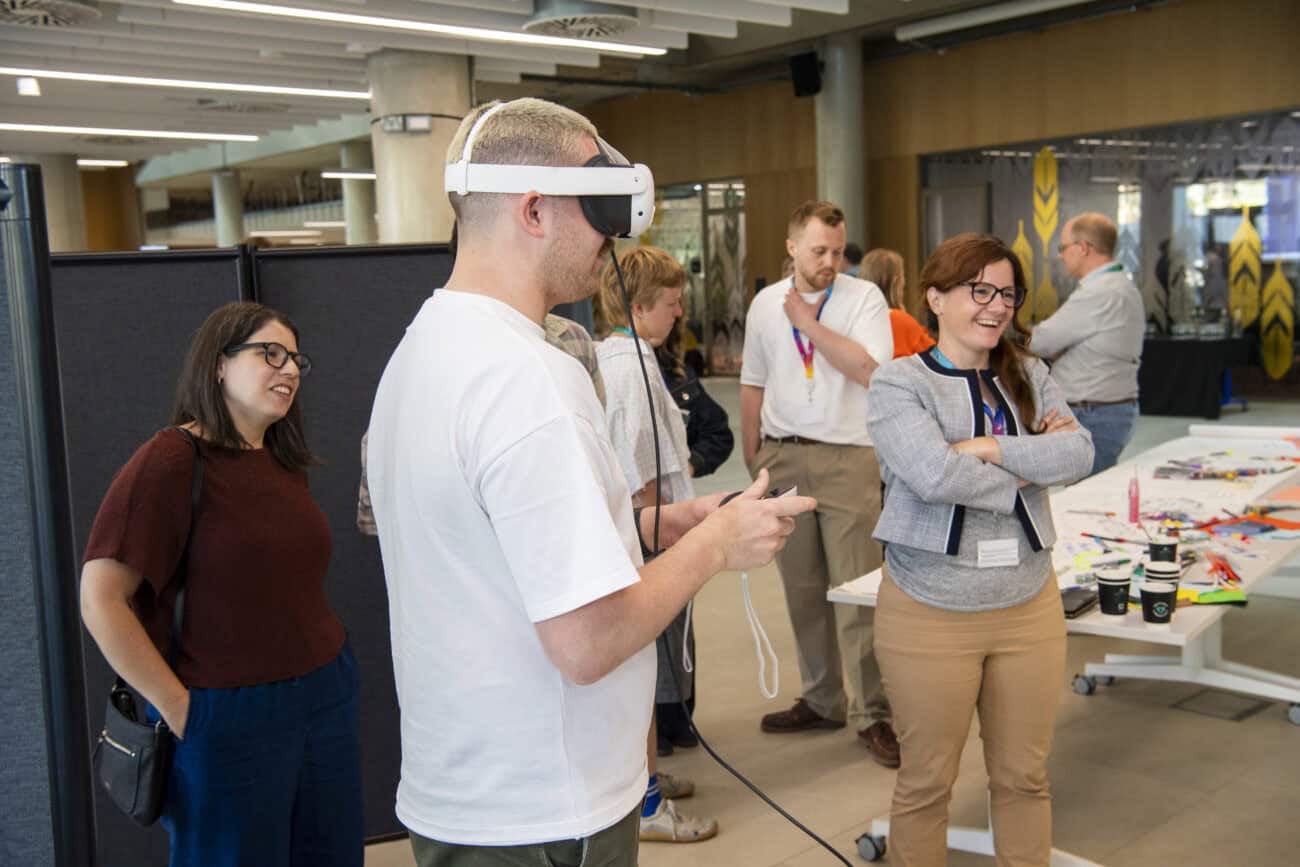
A defining feature of the showcase was the opportunity it gave visitors to engage directly with researchers, ask questions and contribute their own perspectives. Whether experimenting with new technologies, exploring environmental data, or participating in interactive demonstrations, attendees became active participants in the research experience rather than passive observers.
The showcase reflected many of the themes at the heart of both DiveIn and No Boundaries: collaboration across disciplines, openness to new ways of thinking, and the value of bringing diverse communities together to explore complex challenges. By creating spaces for dialogue and shared discovery, the event highlighted how research can become more impactful when it moves beyond traditional academic boundaries.
Looking Ahead
The Dive Interactive Showcase offered a powerful demonstration of the creativity, expertise and collaborative spirit within the DiveIn CDT community. By presenting research through interactive experiences and meaningful conversations, the cohort showcased not only the breadth of their work but also their commitment to engaging wider audiences in the process of discovery.
We would like to thank all of the researchers who contributed exhibits, as well as everyone who joined us throughout the day. Their enthusiasm and willingness to explore ideas across disciplines helped make the showcase a fitting contribution to the spirit of No Boundaries and a celebration of what can happen when research reaches beyond conventional limits.