Cohort 2
Doctoral Researchers
Cohort 2 (2026-2030)
-
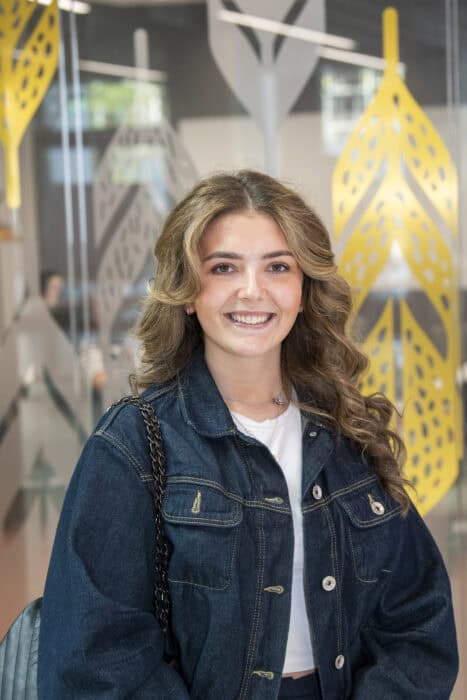
Erin Bleakley
she/herMSc Climate and Environmental ScienceUniveristy of GlasgowMy research interests lie at the intersection of social and physical sciences, particularly environmental engineering and climate and environmental sciences, exploring how innovative scientific research can holistically approach global inequalities.
As my undergraduate degree was in Geography, I enjoyed the intersectionality of social and physical sciences. I was therefore inspired to apply to DiveIn because its interdisciplinary research brings together people from diverse backgrounds and life experiences, creating a collaborative environment for innovative research to flourish with lasting social impacts.
As a first-generation university student, it was essential for my development to find an inclusive and supportive academic community. That is why I am most excited about the cohort experience, networking opportunities, and industry links that DiveIn offers as I take the next step in my research journey.
-
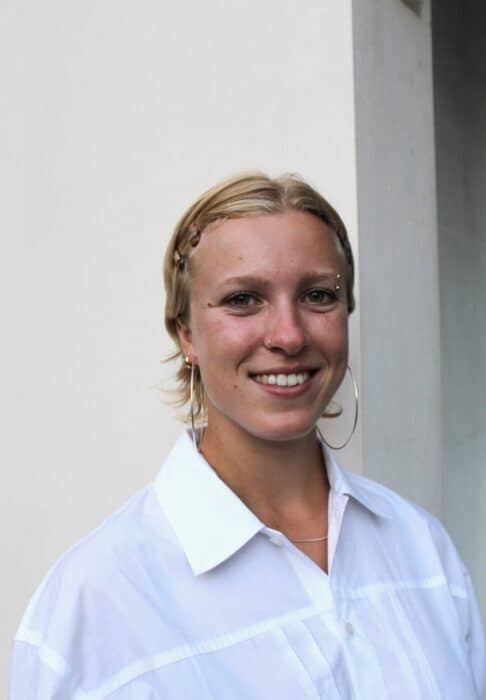
Eve Capewell
she/herMChem ChemistryUniversity of OxfordI am interested in structure-property relationships of functional materials. During my master’s I researched systems with complex 2D order, and I look forward to exploring this further.
The unique opportunity of interdisciplinary research in a range of impactful areas inspired me to apply to DiveIn. The diverse and supportive environment particularly stood out to me.
I am excited to engage in mission-led research and see where collaboration across disciplines will take me.
-
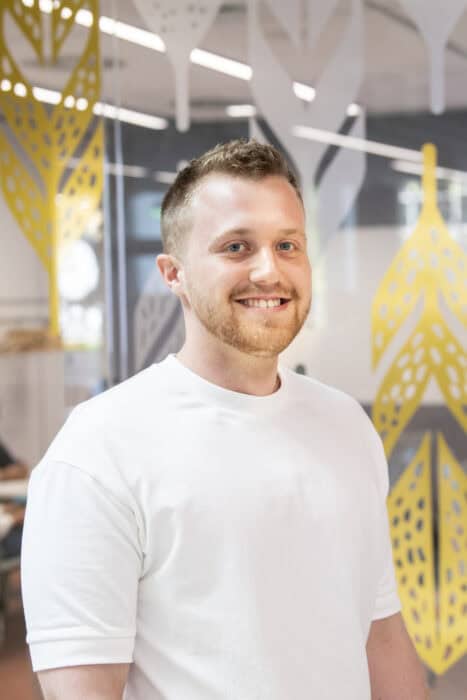
Grant McClure
he/himUniversity of StrathclydeThroughout my studies, my main interest has been in bioimaging and microscopy. As an engineer, I am interested in the full optics and imaging pipeline, from biological sample handling to hardware and optics, through to electronics, 3D-printed device design, and the integration of artificial intelligence.My main reason for applying to DiveIn is my strong interest in interdisciplinary research. As a biomedical engineer, I have always enjoyed working across different areas, whether that means building electronic systems, designing devices, analysing data, or working in a cell culture lab.The part of DiveIn I am most excited about is the opportunity to be part of a cohort and learn from people with different scientific and engineering backgrounds. I enjoy asking questions and exploring areas of science that are new to me, so being surrounded by researchers working across different disciplines really appeals to me. -
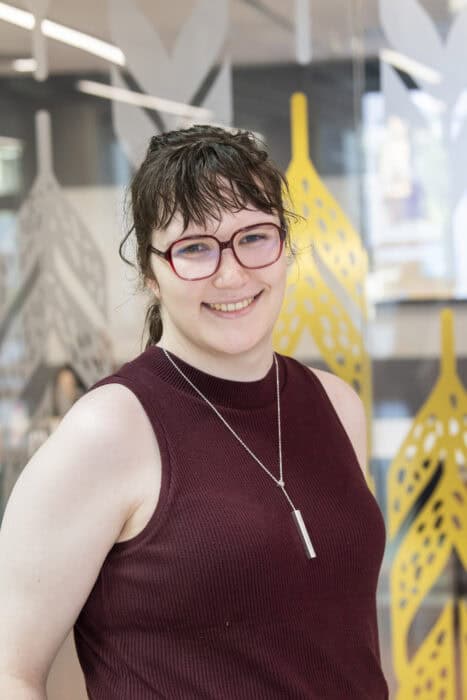
Jura Sands
she/herMSci Applied Chem. & Chem. EngUniversity of StrathclydeMaterials chemistry for water and wastewater treatment, particularly in decentralised processes.
DiveIn is uniquely structured to support interdisciplinary projects, and this resonated with my interest in water systems. While a traditional PhD tends to silo students in their own field, I was inspired by DiveIn’s approach of encouraging development along interdisciplinary lines, which is essential for something as all-encompassing as the growing demands on water resources.
I’m looking forward to the breadth and depth of collaboration the programme is based around. Developing a research project informed by a variety of supervisors, external partners and other DiveIn students will help to make a real difference to the resilience and sustainability of communities and ecosystems in the future.
-
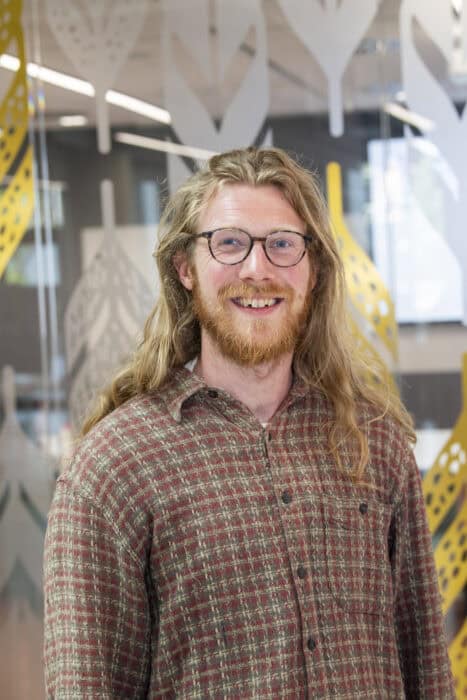
Lasse Melgaard Rasmussen
he/himBSc Honours MicrobiologyUniversity of AberdeenI’m interested in using fungi to create opportunities and impact for low-income farmers. Microbiology, soil science, applied mycology, soil remediation, sustainable food production, circular economy.
I was drawn to the DiveIn CDT programme because of its focus on breaking down academic silos. With a background in social entrepreneurship and circular economy, I have witnessed how collaboration can create win-win solutions, and I’m delighted that DiveIn encourages innovation through interdisciplinary research.
I’m thrilled to be joining a cohort of interdisciplinary thinkers. As every cohort member has different academic backgrounds, I’m curious to see how we can support each other and learn from different fields to promote innovation in our own projects.
-
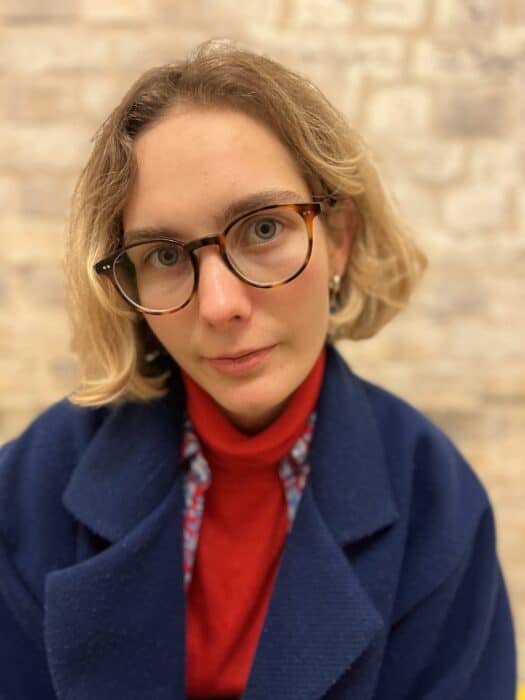
Laura Winkler
she/herMSc StatisticsUniversity of GenevaMy research interests are broadly Network Data, Graph Neural Networks, Spatio-temporal modelling in the area of Environmental Sciences (Biodiversity Monitoring, Soundscapes) as well as Social Sciences (Reducing Inequalities, AI and Algorithmic Fairness).
I was inspired to apply to DiveIn because of its explicit focus to solve interrelated problematics in a broad range of research areas as this is in line with my interdisciplinary background.
I am excited to learn the skills how to to co-create a PhD project in an interdisciplinary environment with a diverse mentorship, external partners and peer support rather than starting with a fully pre-defined topic.
Addititionally, I am particularly motivated by DiveIn’s values of diversity and inclusion to create a supportive-creative space.
-
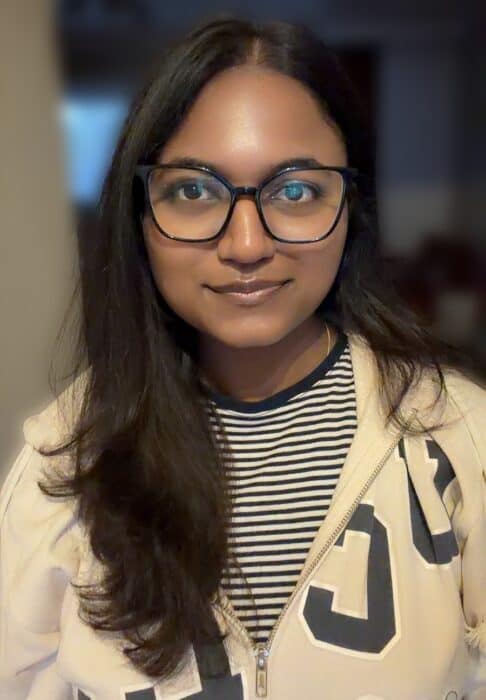
Mohona Roy
she/herMSci Data ScienceCity St George's, University of LondonMy main research interest is in Natural Language Processing. I am interested in uncertainties in data, such as ambiguities in languages, and how they can be resolved to mitigate biased interpretations. Previously, I have worked in philosophical ambiguities and uncertainties in education data.
I was inspired to apply to DiveIn because of the openness it offers. For my undergraduate dissertation, I had explored philosophical and semiotic angles to resolve ambiguous data. Through DiveIn, I want to continue this interdisciplinary approach to expand this work.
I am excited to formalise my ideas through mission-driven research and learn from diverse backgrounds. I’m curious about how different disciplines fit together, so the cohort experience is definitely something I look forward to.
-
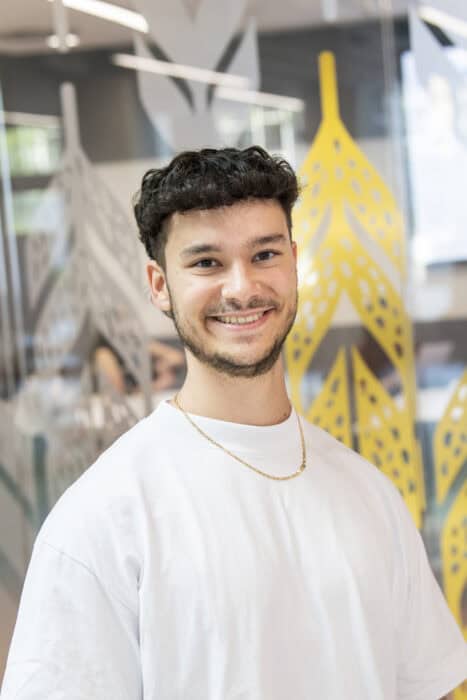
Sagi Avraham
he/himMSc Theortical PhysicsUniveristy of GlasgowI am interested in all things space, mainly black holes and gravitational waves. I am also passionate about utilising AI and building physics inspired machine learning models.
What inspired me most about DiveIn was the opportunity to create my own Project from scratch and having such a diverse supervisor pool to choose from. I am really excited as I think this interdisciplinary approach will not only make me a strong a researcher, but also will allow for such a creative PhD project that wouldn’t be possible otherwise.
I am most excited about the cohort experience. I think this approach will give us a great support system of researchers who come from all different STEM backgrounds. Having a tight knit cohort who are all exploring vastly different research areas feels like it would be a great opportunity to learn from each other and even find inspiration for our own works too.
-
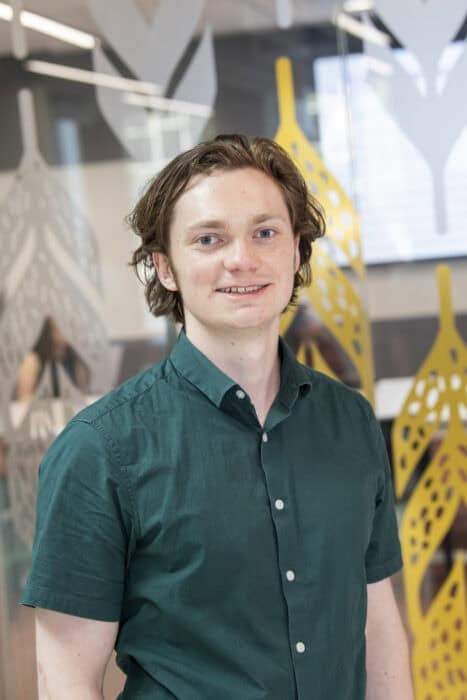
Thomas Waite
he/himMEng Mechanical EngineeringUniveristy of GlasgowI am interested in the intersection of advanced computational modeling and renewable energy generation.
I know that no problems in the modern world can fit into a single discipline. DiveIn seemed perfect to explore beyond my background in mechanical engineering in the context of big societal challenges.
I’m most excited about sharing a diverse set of skills with my cohort and learning about new topics!
-
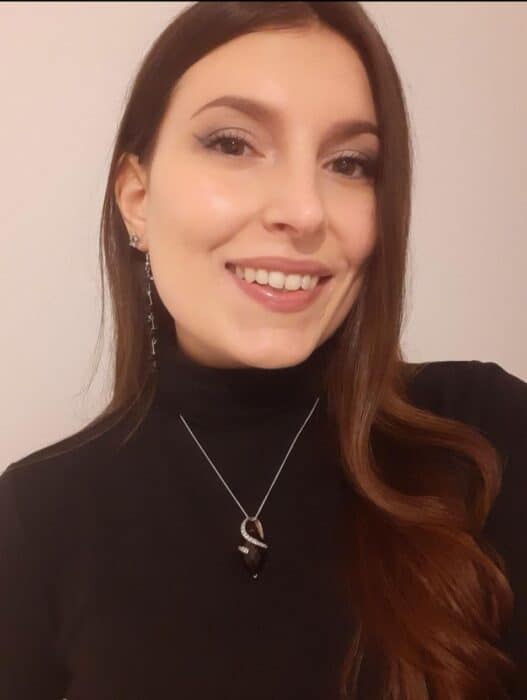
Vanya Fernandez Galabo
she/herMSc Physics by researchUniversity of LancasterDeveloping and applying machine learning methods to open problems in the physical sciences, particularly astrophysics as a testing ground for approaches that can transfer across domains. I’m interested in how data-driven methods can extract signal from complex, noisy datasets in ways that traditional analytical approaches struggle with, and what becomes possible when you combine physics intuition with modern AI, from accelerating discovery in astrophysics to tackling broader challenges like climate and planetary health.
I was curious about the inversion of the usual CDT model – people and perspectives first, research questions second – and the Connect, Thrive, Belong framework that underpins DiveIn’s approach. I have found that research culture doesn’t always make space for people who come from non-linear backgrounds like me, and I felt like DiveIn is genuinely committed to changing that, not just as a stated value but with that commitment embedded in the structure of the programme itself.
I’m excited about the co-creation process for research projects. Coming in without a fixed proposal and building something collaboratively with supervisors across disciplines is unusual and exciting. I believe that kind of friction between different ways of thinking is what brings about the most creative scientific solutions.