By Jordan McInally, DiveIn CDT Events Coordinator
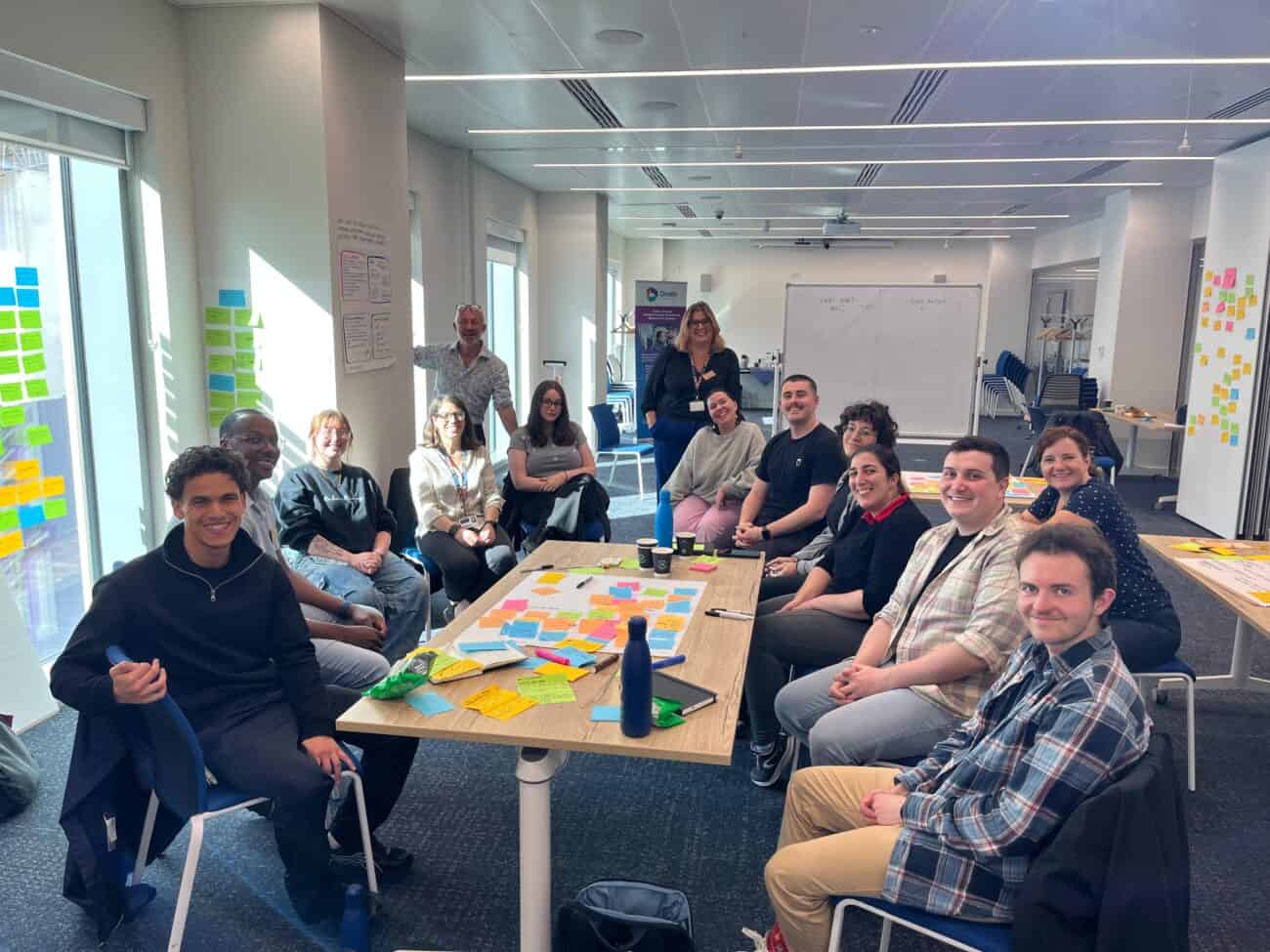
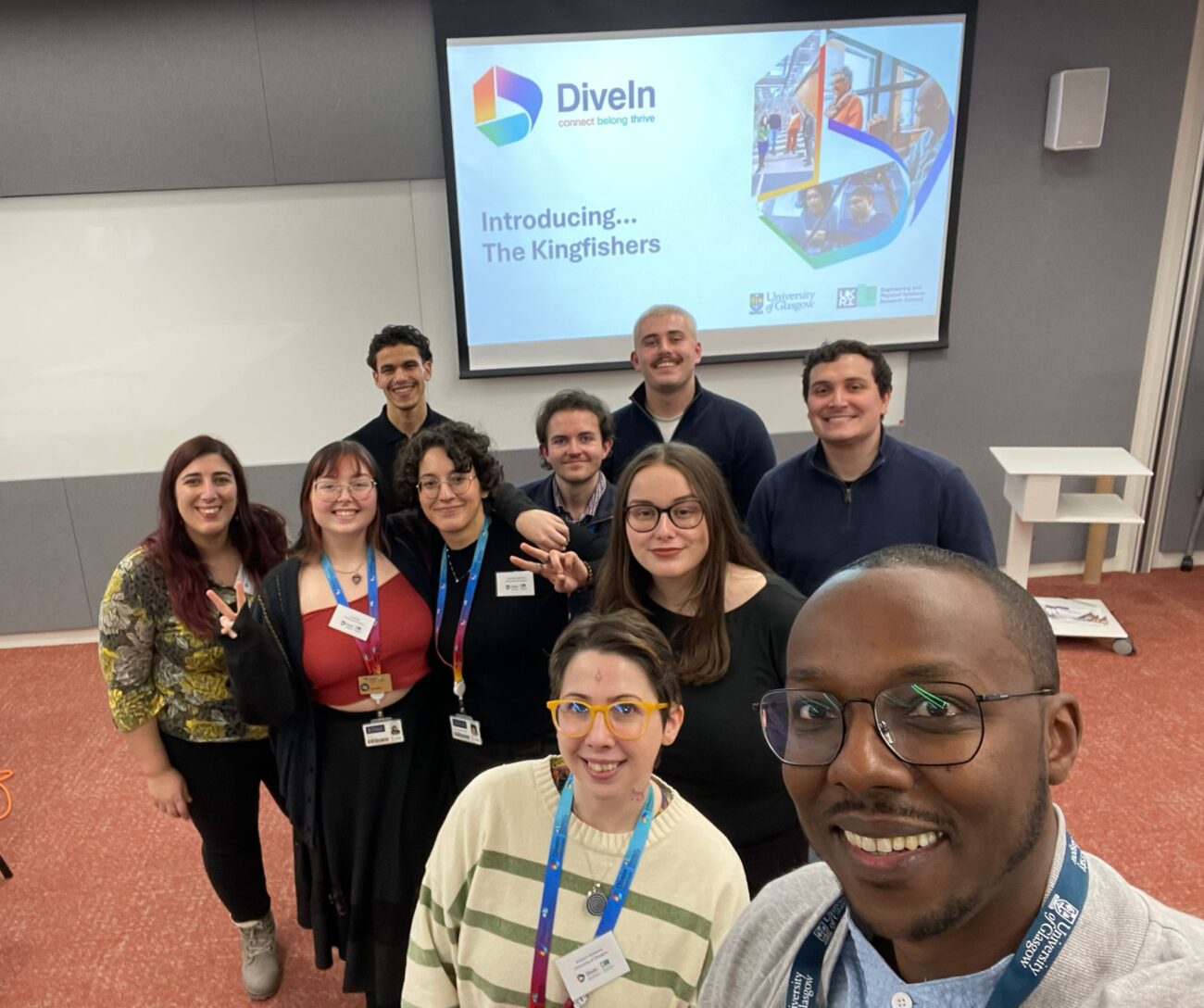
One year into their DiveIn CDT journey, Cohort 1 doctoral researchers are already making significant strides in their research, building professional networks, and developing the skills needed to tackle some of society’s most complex challenges. As they reflect on their first year, several key themes emerge: growing confidence, research taking shape, academic success, and the strong sense of community that has developed across the cohort.
Tobias Fröhlich: Building a Supportive Research Community
For Tobias Fröhlich, the defining feature of the first year has been the relationships formed within the DiveIn cohort.
“The highlight has been building friendships with my cohort peers and supporting each other through the highs and lows of PhD research,” he reflected.
Alongside developing those valuable support networks, Tobias also celebrated an important academic milestone. His paper, Could Model Partitioning Make Federated Learning More Sustainable?, has been accepted for presentation at the 2nd International Workshop on Low Carbon Computing (LOCO 2026) in Lancaster.
Abdulrahman Cherif: Taking Research Beyond the Laboratory
For Abdulrahman Cherif, the past year has been about transforming an early-stage idea into research that can be shared with both specialist and public audiences.
His work explores how low-cost RF sensing technologies can support personalised, privacy-preserving monitoring of behavioural and functional change within the home. Seeing that research mature and receiving acceptance for his first IEEE conference paper marked a major highlight of the year.
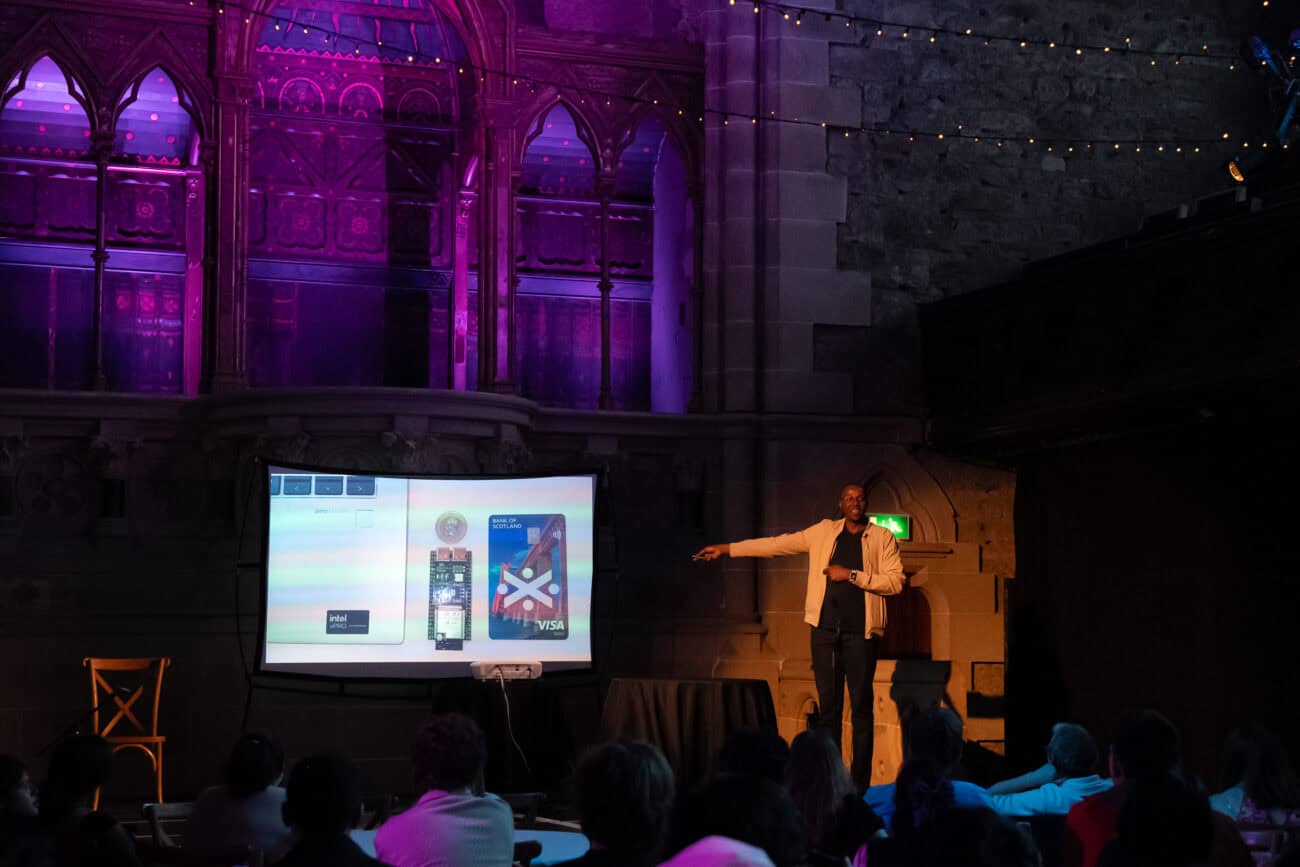
Beyond his research, Abdulrahman has embraced opportunities to engage with wider communities. He presented Your Wi-Fi Is Watching You at the University of Glasgow Science Slam, volunteered at IEEE ICC 2026 in Glasgow, and was selected as an Engineering Postgraduate Research Student Representative, helping to represent doctoral researchers across the College of Science and Engineering. He will also present his research at the IEEE International Microwave and Antenna Symposium (IMAS 2026) later this year.
Sílvia da Silva Mourão: Expanding Networks and Building Confidence
For Sílvia da Silva Mourão, the first year has been characterised by seeing her project develop into a clearly defined research programme.
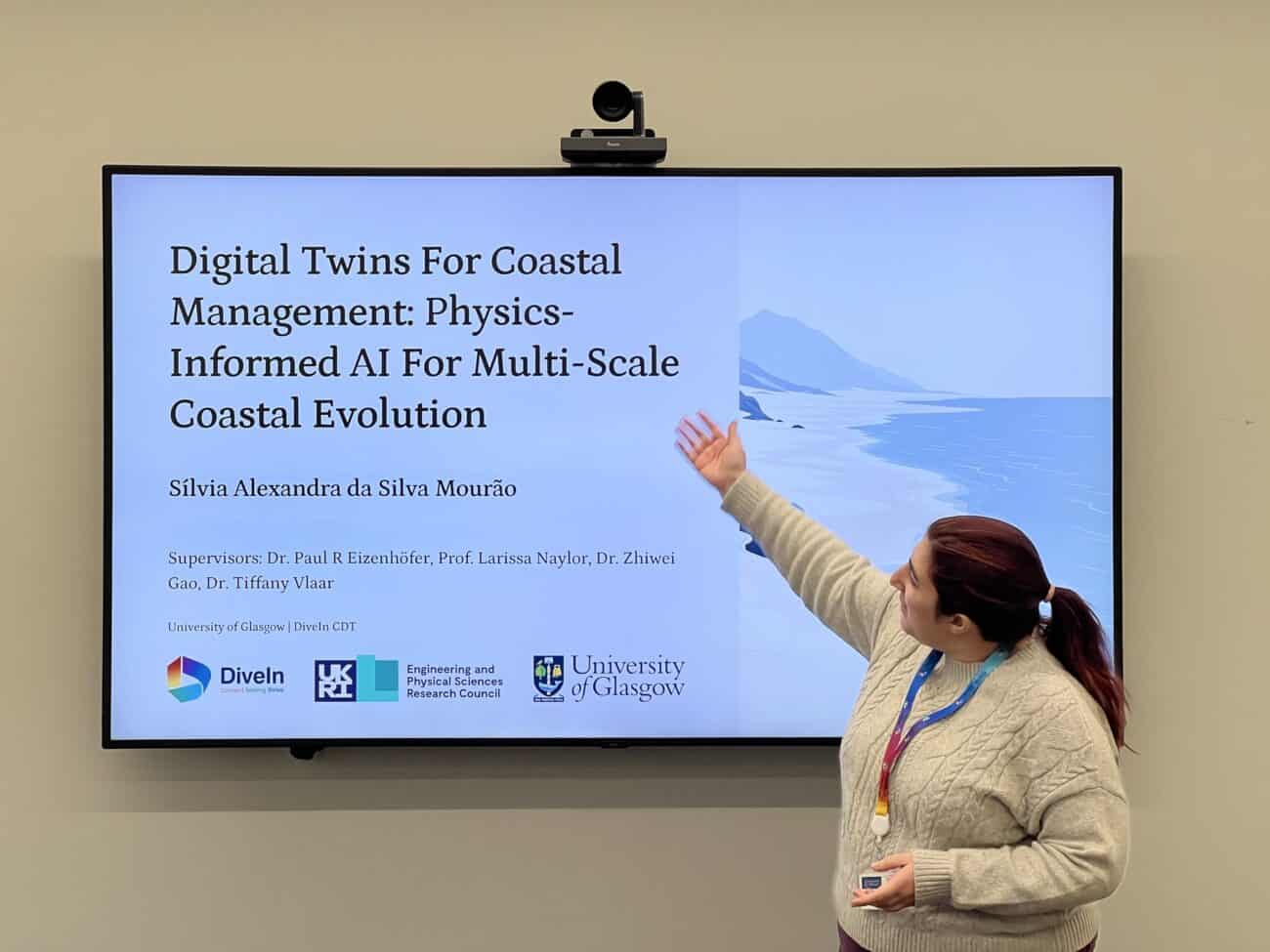
She credits both her supervisory team and wider support network with helping her grow in confidence, while recognition through conference acceptances has provided valuable validation of her work.
Over the year, Sílvia immersed herself in a range of activities that extended beyond her core research. She attended the British Society for Geomorphology Windsor Workshop, participated in the Coast-R Annual Forum, presented her work at both the No Boundaries Festival and DiveIn Annual Industry Showcase, taught at the University of Glasgow Summer School, and mentored undergraduate students through the FeME Steps programme. Throughout these experiences, she continued to build connections across both the coastal research community and the wider DiveIn network.
Awwab Abdalsaed: Turning Ideas into Hands-On Research
For Awwab Abdalsaed, a standout moment of the year came when his structural health monitoring research moved beyond theory and into practical experimentation.
Collecting and analysing sensor data first-hand helped transform the project from an initial concept into something tangible, giving him a much clearer sense of direction for the years ahead.
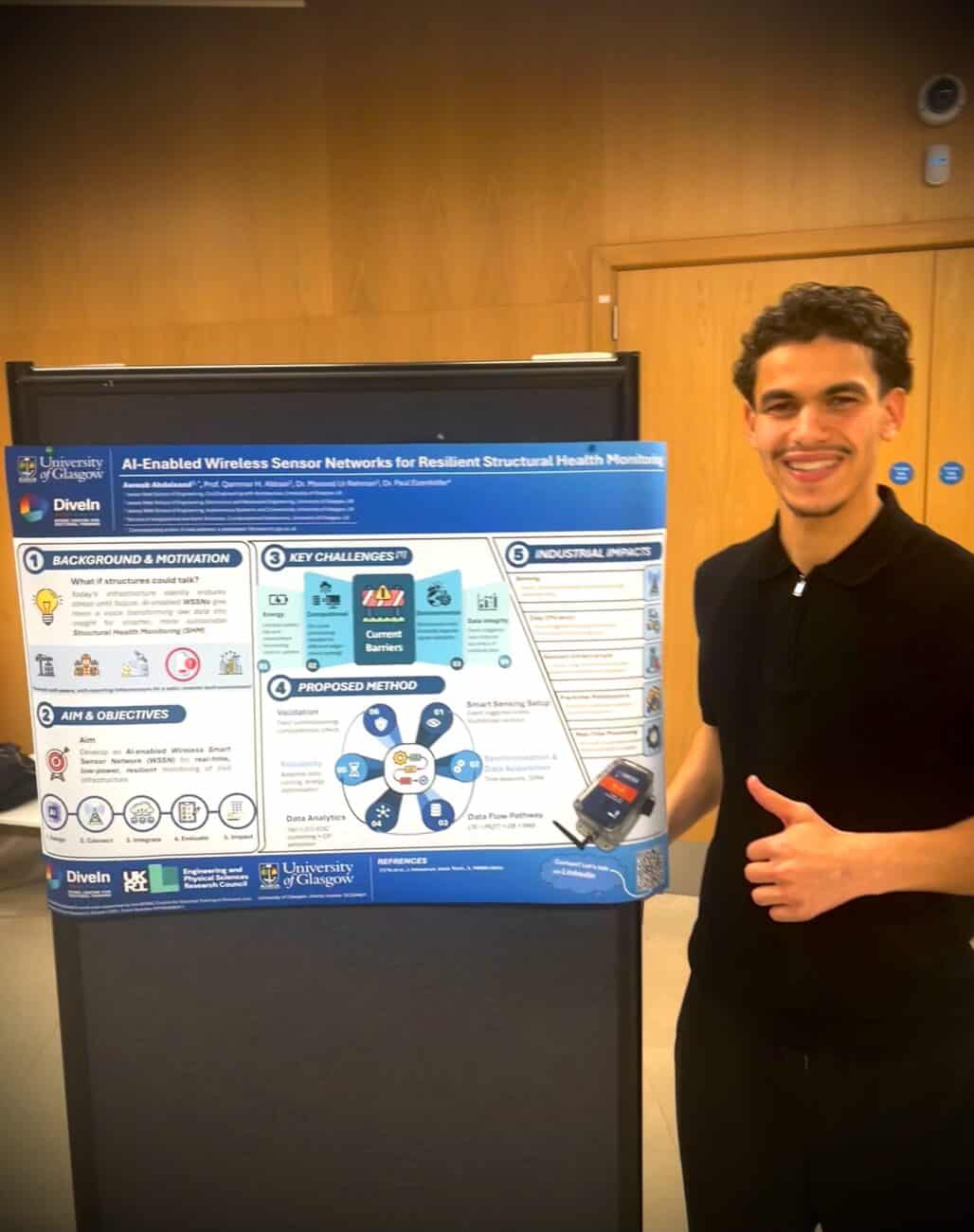
Another key milestone was presenting his early research and discussing it with academics from different disciplines. The experience challenged him to think more critically about the broader significance of his work and how it could continue to evolve throughout his doctoral journey.
Antonella Marsella: Embracing New Challenges
The first year represented a significant transition for Antonella Marsella, who successfully pivoted towards a more technical area of research.
Reflecting on the experience, she describes gaining both competence and confidence as one of her greatest achievements. While the transition presented challenges, it ultimately strengthened her skills and expanded her capabilities as a researcher.
Antonella also highlighted the friendships built within the cohort as one of the most rewarding aspects of the DiveIn experience. Alongside her research, she attended the Alan Turing Institute PhD Exchange and submitted an abstract to a NeurIPS workshop, broadening her engagement with the wider research community.
Andrew Reid: Finding Direction Through Discovery
For Andrew Reid, the first year has been marked by the exciting process of watching both his own project and the wider cohort progress together.
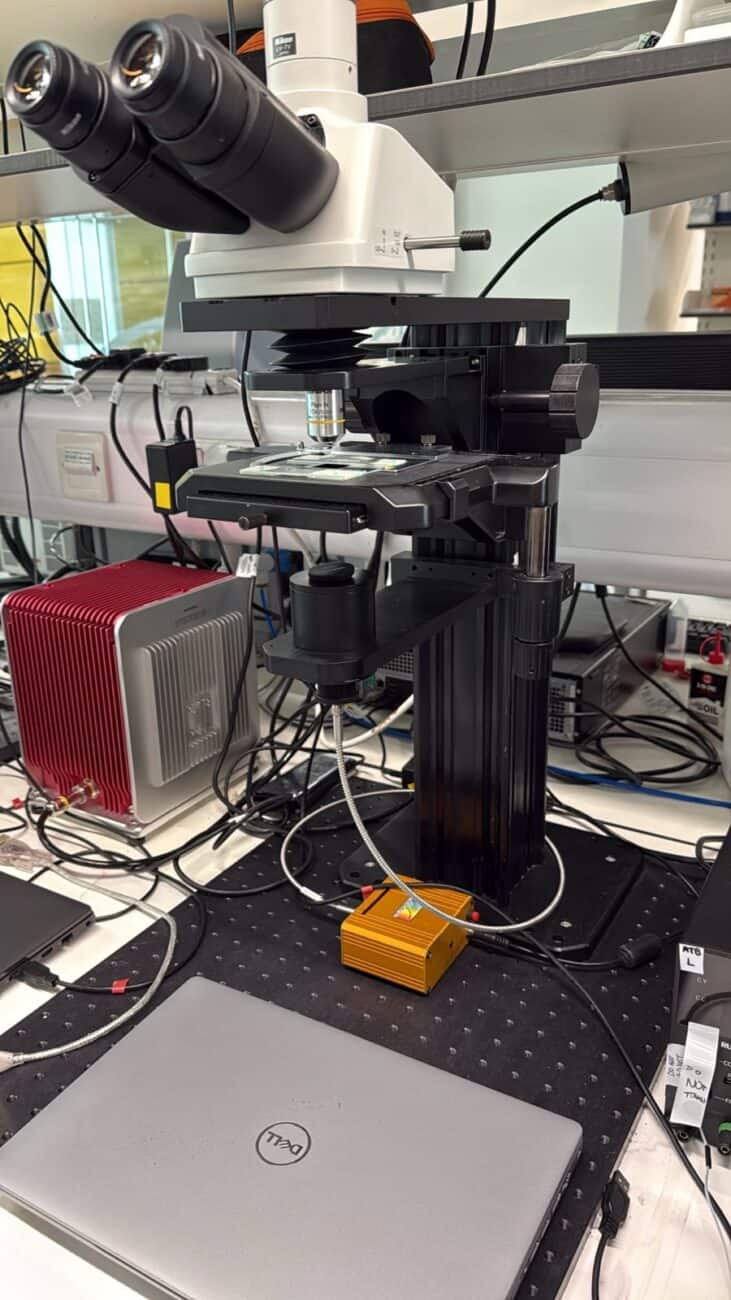
Beginning laboratory work and completing his first experiments provided a clearer understanding of the scale and long-term direction of his research. At the same time, seeing the achievements of fellow doctoral researchers offered inspiration and perspective as everyone embarked on their projects simultaneously.
Stacey McLellan: Developing as a Researcher, Teacher and Mentor
For Stacey McLellan, one of the most rewarding aspects of the year has been building a strong relationship with her supervisory team while developing a research project she is genuinely excited about.
That enthusiasm has extended beyond her research. Stacey became a Graduate Teaching Assistant and laboratory demonstrator, experiences she describes as particularly fulfilling because they enabled her to support students while revisiting material she had recently studied herself.
Looking Ahead
Although their research topics vary widely, the reflections from Cohort 1 reveal a shared experience of growth, resilience and achievement. Over the past year, doctoral researchers have developed new technical skills, presented their work to diverse audiences, contributed to conferences and publications, and built lasting professional and personal connections.
As they enter the next phase of their doctoral journeys, Cohort 1 does so with strong foundations in place and an impressive list of achievements already behind them. If their first year is anything to go by, there is much more to come from DiveIn’s pioneering first cohort.